As providers and observers of workplace and public amenities, we’ve long recognized the evolving landscape of on-demand consumption. In this article, we delve into the multifaceted world of snack and drink vending services, dissecting their operational mechanisms, economic implications, and societal impact. We invite you, the discerning reader, to join us in this exploration, as we peel back the layers of what might appear, on the surface, to be a simple transaction.
Our journey begins with the historical roots of automated dispensing. While modern vending machines are products of the industrial age, the concept itself is ancient, tracing back to Hero of Alexandria’s coin-operated holy water dispenser in the 1st century AD. This initial spark, a testament to human ingenuity in automating repetitive tasks, laid the groundwork for centuries of innovation.
From Manual to Mechanical
The true blossoming of vending, however, occurred during the Industrial Revolution. As societies industrialized and workforces became concentrated, the demand for quick, convenient access to necessities outside traditional retail hours grew. Early machines were often rudimentary, dispensing items like stamps, postcards, or even cigarettes. Think of them as the mechanical ancestors of today’s sophisticated units, each a small marvel of gears and levers.
The Age of Automation and Electrification
The advent of electricity transformed vending. No longer limited by purely mechanical systems, machines could incorporate refrigeration for beverages and more complex mechanisms for a wider range of products. This period marked a significant expansion in the types of goods offered, moving beyond non-perishables to include chilled drinks and, eventually, rudimentary food items. We witnessed the rise of the iconic “bottle-neck” machines, a familiar sight in mid-20th-century America.
The Digital Revolution and Beyond
The late 20th and early 21st centuries ushered in the digital era, fundamentally reshaping vending. Microprocessors and sensor technology revolutionized inventory management, cashless payment systems became ubiquitous, and remote monitoring capabilities transformed maintenance and replenishment. Today, we stand on the precipice of even greater advancements, with artificial intelligence and data analytics poised to further refine the vending experience.
For those interested in the evolving landscape of snack and drink vending services, a related article that provides valuable insights is available at G2 Vending Solutions Privacy Policy. This article not only outlines the company’s commitment to customer privacy but also highlights the importance of transparency in the vending industry, ensuring that consumers feel secure while enjoying their favorite snacks and beverages.
Operational Mechanics: The Inner Workings
To appreciate the efficiency of modern vending services, we must understand the intricate machinery and logistical dance that occurs behind the scenes. It’s more than simply dropping a coin and receiving a snack; it’s a finely-tuned ecosystem.
Machine Anatomy and Functionality
At the heart of every vending service is the machine itself. We encounter various types, each designed for specific product categories. Beverage machines typically utilize refrigeration units, dispensing mechanisms for cans or bottles, and coin/bill validators or cashless payment readers. Snack machines, on the other hand, often employ helical coils or pushers to deliver products.
- Payment Systems: These have evolved dramatically. From purely coin-operated mechanisms, we’ve transitioned to bill validators, credit/debit card readers, and now increasingly rely on mobile payment apps and NFC technology. This diversification in payment options broadens accessibility and convenience for users.
- Product Delivery Mechanisms: The method of product delivery varies based on the item. Spiral coils are common for bagged snacks, while conveyor belts or robotic arms are sometimes used for more delicate or specific items, particularly in hot food vending. Understanding these mechanisms helps us appreciate the engineering involved in ensuring successful delivery.
- Refrigeration and Heating: For certain products, maintaining optimal temperature is paramount. Beverage machines and some food vending units incorporate sophisticated refrigeration systems. Conversely, hot food and coffee machines necessitate heating elements and insulation to maintain product quality. These temperature control systems are critical for food safety and consumer satisfaction.
Supply Chain and Logistics
The seamless operation of vending services is heavily reliant on a robust supply chain. This involves the procurement of products, transportation, storage, and the strategic placement and regular replenishment of machines. Think of it as a circulatory system, with products flowing from manufacturer to machine, delivering sustenance to the end-user.
- Inventory Management: Modern vending operators utilize sophisticated inventory management systems. These systems track sales data, predict demand, and optimize replenishment schedules, minimizing stockouts and reducing waste. Some advanced machines even communicate their inventory levels wirelessly, enabling proactive restocking.
- Route Optimization: For vending operators, efficiency is key. Route optimization software helps plan the most efficient routes for service technicians, minimizing travel time and fuel costs. This also ensures machines are serviced promptly, reducing downtime and enhancing customer satisfaction.
- Warehousing and Distribution: Effective warehousing and distribution networks are essential. This encompasses not just storing products, but also managing expiration dates, ensuring proper handling, and preparing products for delivery to specific machine locations.
Economic Impact and Business Models

Vending services represent a significant segment of the global retail market, generating substantial revenue and employment. We must understand the diverse economic models that underpin this industry.
Capital Investment and Operating Costs
Establishing a vending business requires considerable capital investment. This includes the purchase of machines, which can range from a few thousand to tens of thousands of dollars per unit, depending on features and capacity. Beyond the initial outlay, operating costs are a continuous factor.
- Machine Acquisition and Maintenance: The initial cost of vending machines is a significant barrier to entry. Furthermore, regular maintenance, repairs, and technological upgrades are essential to ensure operational longevity and customer satisfaction.
- Product Sourcing: The cost of snacks, beverages, and other consumables is a primary operating expense. Operators constantly negotiate with suppliers to secure competitive pricing, balancing cost with product quality and brand recognition.
- Labor and Logistics: Employing service technicians for replenishment and maintenance, along with the costs associated with vehicles and fuel, are substantial operational expenses. Efficient route planning and optimized staffing are crucial for profitability.
- Site Acquisition and Commission: Securing prime locations for vending machines often involves commission payments to property owners. This “rent” for placement can be a significant recurring cost, influencing the profitability of individual machines.
Revenue Generation and Profit Margins
Revenue in vending is generated directly from product sales. The profitability of a vending operation hinges on a delicate balance of sales volume, product pricing, and effective cost management.
- Sales Volume and Pricing Strategies: High foot traffic locations generally yield higher sales volumes. Pricing strategies are critical, balancing competitiveness with profit margins. Operators must consider local market conditions, competition, and perceived value.
- Product Mix and Demand: Offering a diverse and appealing product mix is crucial. Data analytics play a vital role in identifying popular items and adjusting inventory to maximize sales. A machine stocked with desired items is a magnet for customers.
- Ancillary Services: Some vending services generate additional revenue through advertising placed on machines or by offering value-added services like touchscreens with local information or Wi-Fi hotspots. These diversifications can create new income streams.
Societal Implications and Consumer Behavior
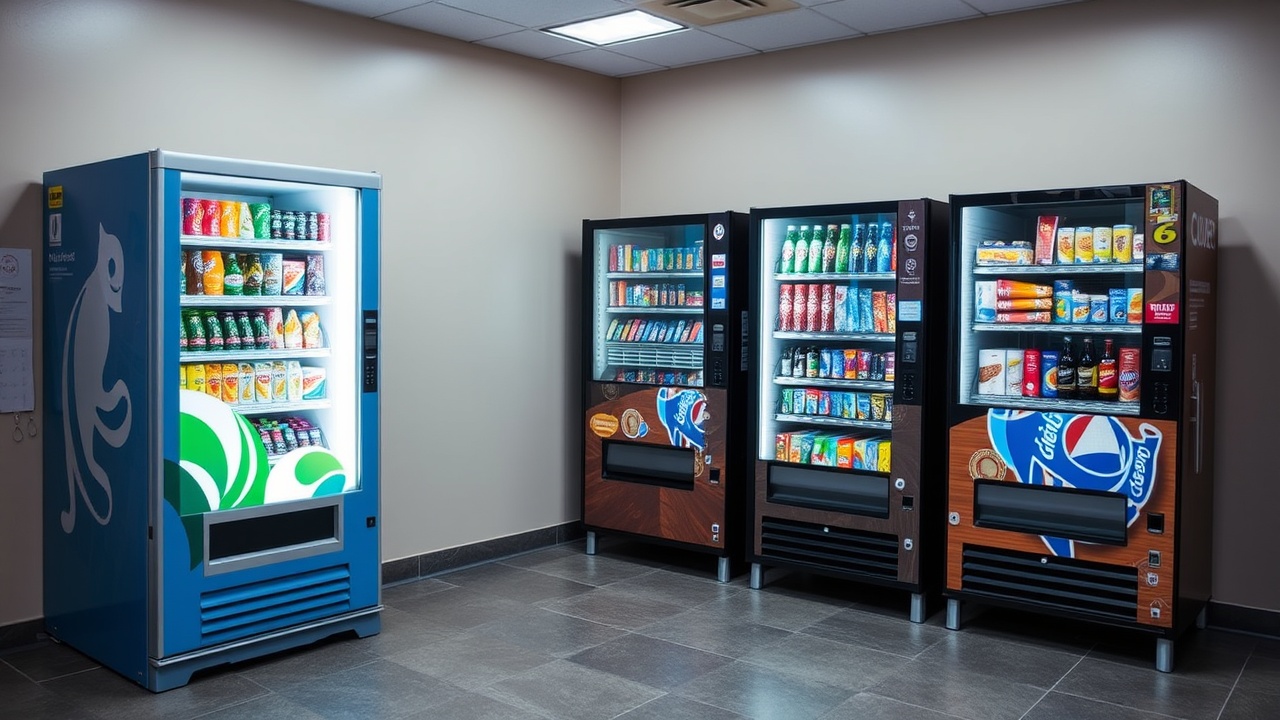
Vending services are more than just transaction points; they are embedded within our daily lives, influencing our choices and reflecting societal trends. Let’s consider their broader impact.
Convenience and Accessibility
The primary appeal of vending services lies in their unparalleled convenience and accessibility. They fill a crucial niche, providing immediate gratification for hunger and thirst in locations where traditional retail might be impractical or unavailable.
- 24/7 Availability: Unlike traditional stores with set operating hours, vending machines offer round-the-clock access to products. This is particularly valuable in workplaces, transportation hubs, and institutions that operate continuously.
- Location Flexibility: Vending machines can be strategically placed in a multitude of locations – offices, schools, hospitals, factories, transit stations, and recreational facilities. Their small footprint makes them highly adaptable.
- Instant Gratification: In our fast-paced world, the ability to quickly obtain a snack or drink without waiting in line or engaging in extensive social interaction is a significant advantage. It’s a prime example of demand-driven consumption.
Health and Nutrition Concerns
Historically, vending machines have been associated with unhealthy snack and beverage options. However, we’ve observed a growing trend towards healthier alternatives, reflecting evolving consumer preferences and public health initiatives.
- The “Junk Food” Stereotype: For many years, vending machines were synonymous with sugary drinks, chips, and candy. This stereotype, while rooted in reality, is slowly being challenged by more diverse offerings.
- Emergence of Healthier Options: In response to consumer demand and health awareness campaigns, many operators are now incorporating healthier alternatives such as fresh fruit, yogurt, granola bars, and bottled water. Some machines even specialize in organic or diet-specific products.
- Regulatory Pressures and Policy Shifts: Governments and institutions are increasingly implementing policies to promote healthier vending options, particularly in schools and public buildings. This includes limits on sugar content and mandates for nutritional transparency.
Environmental Considerations
The environmental footprint of vending services is a growing concern. From energy consumption to packaging waste, we must address these challenges proactively.
- Energy Consumption: Refrigerated vending machines consume significant amounts of electricity. Advances in energy-efficient technologies, such as LED lighting and improved insulation, are helping to mitigate this impact.
- Packaging Waste: The sheer volume of single-use packaging from dispensed products contributes to landfill waste. Initiatives like encouraging reusable bottles for beverages and exploring compostable or recyclable packaging are crucial steps.
- Recycling Infrastructure: The availability of convenient recycling bins alongside vending machines is essential to promote responsible disposal from consumers. Operators and site managers share a responsibility in providing these facilities.
If you’re interested in enhancing your workplace with convenient options, you might find the article on snack and drink vending services particularly insightful. It discusses the benefits of having a variety of vending machines that cater to different tastes and dietary needs, making it easier for employees to stay energized throughout the day. For more information, you can read the full article here.
Future Trends and Innovations
The vending industry is dynamic, constantly innovating to meet evolving consumer needs and technological advancements. We anticipate a future rich with smart, sustainable, and highly personalized vending experiences.
Smart Vending and IoT
The integration of the Internet of Things (IoT) is transforming vending machines into intelligent, connected devices. This connectivity unlocks a plethora of new possibilities.
- Real-time Monitoring and Diagnostics: IoT-enabled machines can transmit real-time data on sales, inventory levels, and operational status. This allows operators to proactively address maintenance issues, prevent stockouts, and optimize routes.
- Predictive Maintenance: Leveraging data analytics, smart vending machines can predict potential malfunctions before they occur, enabling preventative maintenance and minimizing downtime. This shifts the paradigm from reactive to proactive service.
- Personalized Recommendations: With facial recognition or user login, machines could potentially offer personalized product recommendations based on past purchases or dietary preferences, mirroring the personalized shopping experience of e-commerce.
Cashless and Contactless Payments
The trend towards cashless and contactless payments is accelerating, driven by convenience, security, and hygiene considerations.
- Mobile Wallets and NFC: The widespread adoption of mobile payment apps and Near Field Communication (NFC) technology makes purchasing from vending machines even more seamless. A simple tap of a smartphone or watch completes the transaction.
- Biometric Authentication: While still in nascent stages for vending, biometric authentication (e.g., fingerprint or facial recognition) could offer an even more secure and frictionless payment experience in the future.
- Subscription Models: We might see the emergence of subscription-based vending services, particularly in corporate environments, where employees pay a monthly fee for unlimited or discounted access to snacks and beverages.
Diversification of Offerings
The limitations of traditional snack and beverage vending are being overcome by machines dispensing an increasingly diverse range of products and even services.
- Fresh Food and Meals: Advanced vending machines are now capable of storing and dispensing fresh salads, sandwiches, and even hot meals, often prepared on-demand. These machines bridge the gap between traditional vending and quick-service restaurants.
- Retail Vending: Beyond food and drinks, we’re seeing vending machines offering electronics, cosmetics, personal care items, and even clothing. Think of these as micro-retail outlets, strategically placed for immediate consumer needs.
- Service Vending: Some machines now offer services like phone charging, printing, or even renting items. This expansion beyond physical products into services represents a significant paradigm shift for the industry.
In conclusion, snack and drink vending services, far from being static dispensers, are dynamic entities continually adapting to technological advancements, economic pressures, and evolving consumer preferences. From their ancient origins to their smart, interconnected future, they remain a pervasive and often indispensable part of our built environment. As operators, consumers, and innovators, we collectively shape the trajectory of this fascinating and continually evolving industry. We trust this exploration has provided you with a comprehensive and insightful perspective into this ubiquitous, yet often overlooked, aspect of modern life.
FAQs
What types of products are typically offered in snack and drink vending services?
Snack and drink vending services usually offer a variety of items including chips, candy bars, cookies, bottled water, sodas, juices, and sometimes healthier options like nuts, granola bars, and fruit snacks.
How do vending machines accept payments?
Modern vending machines accept multiple forms of payment such as coins, bills, credit and debit cards, mobile payment apps, and contactless payment methods like NFC.
Where are snack and drink vending machines commonly located?
These vending machines are commonly found in places like office buildings, schools, hospitals, airports, shopping malls, and recreational centers to provide convenient access to refreshments.
How often are vending machines restocked and maintained?
Vending machines are typically restocked and maintained on a regular schedule, which can range from daily to weekly depending on the location’s traffic and demand.
Are there options for customized vending services?
Yes, many vending service providers offer customized solutions including tailored product selections, machine branding, and specialized payment options to meet the needs of specific clients or locations.